oat milk vs almond milk

πŸ‘‰ Almond Milk vs Oat Milk: Nutrition for our health

Table of Contents: Oat Milk vs Almond Milk

Oat Milk vs Almond Milk: An Overview

What Is Oat Milk?

What Is Almond Milk?

Oat Milk vs Almond Milk: Nutrition Facts

Calories, Carbohydrates, and Sugar

Protein Comparison

Fat and Healthy Fats

Vitamins and Minerals

Oat Milk vs Almond Milk for Weight Loss

Which Is Better for Heart Health?

Almond Milk vs Oat Milk: Ultimate Which Is Healthier for You? Nutrition, Benefits & Difference For Our Health

Oat Milk vs Almond MilkOat milk and almond milk are two popular plant-based alternatives to dairy milk, but they differ in taste, nutrition, calories, and texture. Oat milk is usually creamier and contains more carbohydrates, making it a good choice for coffee and smoothies. Almond milk are oat milk if you prefer a creamy texture and richer taste. Choose unsweetened almond milk if you want a lighter, lower-calorie option. Nutritional values vary by brand, so check the labelβ€”especially for added sugar and protein.Oat Milk vs AlmondΒ  milk are two popular plant-based alternatives to dairy milk, but they differ in Choose oat milk if you prefer a creamy texture and richer taste. Choose unsweetened almond milk if you want a lighter, lower-calorie option. Nutritional values vary by brand, so check the labelβ€”especially for added sugar and protein.

Oat milk vs Almond milk

Choose oat milk if you prefer a creamy texture and richer taste. Choose unsweetened almond milk if you want a lighter, lower-calorie option. Nutritional values vary by brand, so check the labelβ€”especially for added sugar and protein.

Β 

Wondering which is healthier: oat milk or almond milk? This detailed oat milk vs almond milk comparison breaks down their nutrition, calories, protein, carbohydrates, sugar, fat, fiber, vitamins, minerals, and overall health benefits.

Learn the key differences between oat milk and almond milk and find out which plant-based milk may be better for weight loss, low-calorie diets, coffee, smoothies, digestion, and everyday drinking. We also compare their taste, ingredients, added sugar, nutritional value, and environmental impact.

Whether you’re looking for the healthiest dairy-free milk, best plant-based milk, low-calorie milk alternative, or a nutritious non-dairy option, this guide will help you choose between oat milk and almond milk based on your health goals and dietary preferences.

Which Is Healthier: Oat Milk or Almond MilkMaintaining Well-Being Through Stressful Times

Β 

When comparing oat milk vs almond milk, both are popular plant-based milk and dairy-free milk alternatives, but the healthier choice depends on your individual nutritional needs and lifestyle. Unsweetened almond milk is often considered a better option for people who want fewer calories and carbohydrates, while oat milk is known for its creamy texture, naturally pleasant taste, and higher carbohydrate content.Β 

Oat milk vs almond milkβ€”which is healthier and better for you?

Feature Oat Milk Almond Milk
Calories Usually higher Usually lower
Carbohydrates Higher Lower
Protein Moderate Low
Healthy fats Low–moderate Often higher in unsaturated fats
Fiber Small amount Usually very little
Taste Creamy and naturally sweet Light, nutty flavor
Best for Coffee, smoothies, cereal Low-calorie drinks and smoothies
Dairy-free βœ… Yes βœ… Yes
Vegan βœ… Usually βœ… Usually
img 04

Almond milk is a popular plant-based, dairy-free milk alternative made from almonds and water. It is naturally low in calories and carbohydrates, especially when you choose unsweetened almond milk, making it a popular option for people looking to reduce their calorie or sugar intake. Many almond milk products are fortified with calcium, vitamin D, and vitamin B12, which can help support bone health and overall nutrition. However, almond milk is generally low in protein compared with dairy milk and soy milk. When choosing almond milk, check the Nutrition Facts label and look for an unsweetened variety with low added sugar and added essential nutrients.

Oat milk is a popular plant-based and dairy-free milk alternative made from oats and water. It has a naturally creamy texture and slightly sweet flavor, making it a favorite for coffee, smoothies, cereal, and baking. Oat milk nutrition can vary by brand, but it generally contains more carbohydrates and calories than unsweetened almond milk and may provide small amounts of protein and fiber. Many oat milk products are fortified with calcium, vitamin D, and vitamin B12. For a healthier option, choose unsweetened oat milk with little or no added sugar and check the Nutrition Facts label for calcium, vitamin D, protein, and overall calories.

Almond Milk vs Oat Milk: Ultimate Which Is Healthier for You?

Β 

🌰 Almond Milk

Almond milk is made primarily from almonds and water. It typically has a lighter consistency and a mild nutty flavor.

Potential benefits:

  • Unsweetened almond milk is usually relatively low in calories.
  • Generally lower in carbohydrates than oat milk.
  • Can be a convenient dairy-free oat milk vs almond milk option.
  • Fortified varieties can provide calcium and vitamin D.
  • Its light texture works well in smoothies, cereal, and everyday beverages.

One limitation is that almond milk is usually low in protein, and many commercial varieties contain relatively little actual almond material. Sweetened versions can also contain significant added sugar.

🌱 Which Is Better for healthy gut

Neither milk is automatically better for everyone’s gut. Oat milk may provide more fiber, depending on the product and processing, while almond milk is generally lighter in carbohydrates.

For digestive health, look beyond the type of milk and check the ingredient label. Consider choosing:

Some people may experience bloating or digestive discomfort from certain ingredients or additives in plant-based milks. Individual tolerance matters.

βš–οΈ Oat Milk vs Almond Milk: Which Should You Choose?for healthy gut

Choose oat milk if you:

  • Prefer a creamy texture of oat milk vs almond milk
  • Enjoy plant-based milk in coffee.
  • Want a higher-carbohydrate option.
  • Like a naturally sweeter flavor.

Choose almond milk if you:

  • Want a lighter beverage.
  • Prefer fewer carbohydrates.
  • Want an unsweetened, lower-calorie option.
  • Enjoy a mild nutty flavor of oat milk vs almond milk
  • Oat milk vs almond milkβ€”which is healthier and better for you? Compare oat milk and almond milk nutrition, calories, protein, sugar, carbs, vitamins, benefits, taste, and health effects. Find out which is better for weight loss, coffee, smoothies, and everyday use, and discover the best dairy-free milk for your health and dietary needs.

Final Takeaway

There is no single winner between oat milk and almond milk. Oat milk is generally creamier and higher in carbohydrates, while almond milk is usually lighter and lower in calories and carbohydrates. For a healthy choice, compare nutrition labels and prioritize unsweetened, fortified products that fit your individual dietary needs.
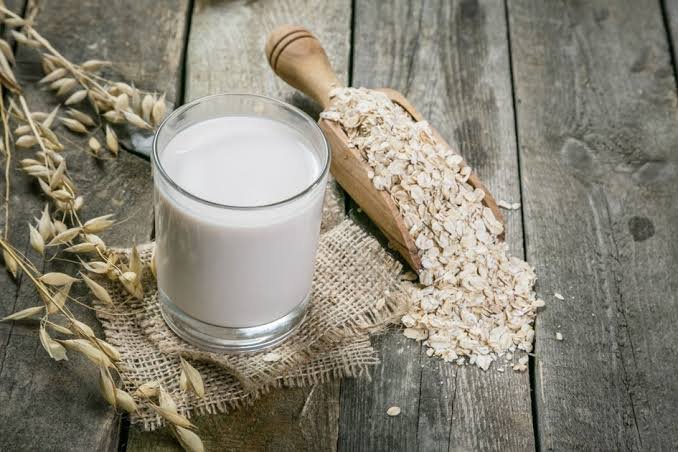
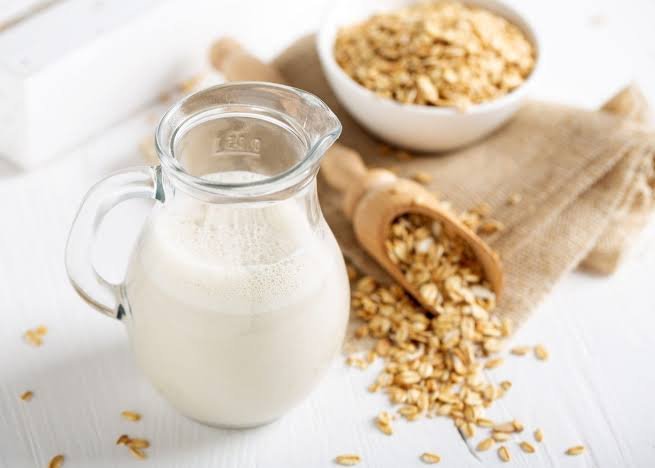
Oat Milk Nutrition Facts: Calories, Protein, Vitamins & More

Oat milk is a popular plant-based milk alternative made primarily from oats and water. It has a naturally mild, slightly sweet flavor and a creamy texture, making it popular in coffee, smoothies, cereal, and baking.

However, oat milk nutrition can vary significantly by brand and variety. Unsweetened, original, barista, and flavored versions may have different amounts of calories, carbohydrates, sugar, protein, vitamins, and minerals. USDA FoodData Central provides food-composition data, while the FDA recommends checking the product’s Nutrition Facts label when comparing plant-based beverages.

Is Oat Milk Healthy?

Oat milk can be a nutritious choice as part of a balanced diet, particularly for people who prefer a dairy-free beverage. Its nutritional value depends heavily on the ingredients and fortification.

Some oat milks are fortified with nutrients such as calcium, vitamin D, vitamin A, riboflavin, and vitamin B12. However, not every product contains the same nutrients or amounts. The FDA specifically recommends comparing plant-based beverages by looking at protein, calcium, vitamin D, potassium, saturated fat, and added sugars. οΏ½

Β 

Oat milk nutrition facts show that oat milk can be a nutritious dairy-free beverage, particularly when it is unsweetened and fortified with calcium and vitamin D. Compared with many other plant-based milks, oat milk generally provides more carbohydrates and calories, while its protein content is usually moderate. For a healthier choice, check the Nutrition Facts label for oat milk and look for low added sugar, calcium, vitamin D, and a reasonable amount of protein.

images (7)

Almond Milk vs Oat Milk: What U.S. Health Experts Recommend

images (5)

According to U.S. government health authorities, including the FDA and USDA, almond milk and oat milk are both plant-based milk alternatives, but their nutritional profiles can vary significantly by brand and fortification. οΏ½

U.S. Food and Drug Administration +1

What U.S. authorities say about almond milk vs. oat milk

Almond milk: Often relatively low in calories and carbohydrates, but it is usually low in protein. Fortified versions can provide substantial calcium and vitamin D.

Oat milk: Generally provides more carbohydrates and calories than unsweetened almond milk and usually has somewhat more protein, although it is still much lower in protein than dairy milk or fortified soy milk.

Calcium & vitamin D: Both can provide these nutrients when fortified, so the Nutrition Facts label matters more than the name of the milk.

Added sugar: FDA recommends choosing varieties that are lower in added sugars.

Protein: FDA recommends looking for plant-based beverages that are higher in protein, along with calcium, vitamin D and potassium.

U.S. Food and Drug Administration

Dairy group: USDA MyPlate currently does not count almond or oat milk as part of the Dairy Group because their overall nutrient composition isn’t similar enough to dairy milk or fortified soy milk. οΏ½

Β 

Conclusion: Oat Milk vs Almond Milk

When comparing oat milk vs almond milk, both are popular dairy-free milk alternatives, but the better choice depends on your nutritional needs, taste, and lifestyle. Oat milk is generally creamier, higher in carbohydrates, and works especially well in coffee, smoothies, and baking. Almond milk is typically lower in calories and carbohydrates, making it a popular option for people looking for a lighter plant-based milk.

For coffee and creamy recipes, oat milk may be the better choice, while unsweetened almond milk can be a good option for those watching their calorie or carbohydrate intake. Always check the nutrition label, as calories, protein, added sugar, calcium, and vitamin D can vary between brands.

Ultimately, there is no single winner in the oat milk vs almond milk comparison. Choose the best plant-based milk based on your dietary goals, taste preferences, and how you plan to use it. Both can be part of a balanced dairy-free diet when you choose a nutritious, preferably unsweetened variety.

Leave a Comment

Your email address will not be published. Required fields are marked *